What is Bone Conduction – BERA?
Bone Conduction – BERA is a special hearing test. It helps doctors check how well your hearing nerves and brain respond to sound. BERA stands for Brainstem Evoked Response Audiometry. This test uses bone conduction to send sounds directly to the inner ear. Because of this, it can show if there is a problem with the hearing nerve or the ear itself. Many doctors use Bone Conduction – BERA for hearing loss assessment and ENT diagnosis.
How Does Bone Conduction – BERA Work?
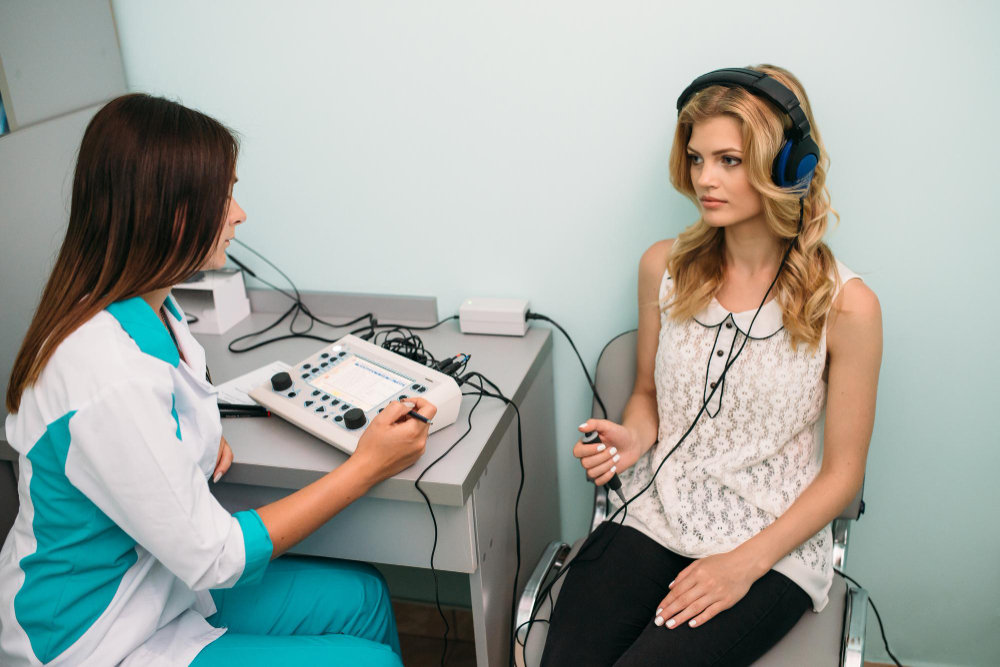
During the test, soft sounds are sent through a small device placed behind your ear. This device vibrates gently, sending sound waves through the bone. As a result, these waves reach the inner ear without passing through the outer or middle ear. Special sensors on your head pick up how your brain responds to these sounds. The test records these responses, which are called auditory brainstem responses.
Why is Bone Conduction – BERA Important?
Bone Conduction – BERA is important for many reasons. For example, it helps doctors find out where hearing loss is happening. Sometimes, hearing loss is due to problems in the ear canal or middle ear. Other times, it is due to nerve issues. This test can tell the difference. Because of this, it guides doctors in choosing the right treatment. In addition, Bone Conduction – BERA is safe and painless.
Who Should Consider the Bone Conduction – BERA Test?
Not everyone needs this test. However, some people may benefit from it. You might need Bone Conduction – BERA if:
In many cases, doctors use this test for babies, young children, or people who cannot respond to regular hearing tests.
What to Expect During the Test
Many people feel nervous before medical tests. However, Bone Conduction – BERA is simple and comfortable. Here is what you can expect:
Usually, no special preparation is needed. However, you should follow any instructions your doctor gives you.
Benefits and Limitations
Bone Conduction – BERA offers many benefits. For instance, it is safe, painless, and does not require you to answer questions. It works well for babies and people who cannot speak or respond. Also, it gives clear results about nerve and brain hearing pathways.
However, there are some limitations. For example, it may not show problems in the outer or middle ear. Sometimes, the test may not work well if you move a lot during the test. In rare cases, results may need to be repeated for accuracy.
Frequently Asked Questions
Conclusion and Next Steps
Bone Conduction – BERA is a helpful tool for hearing loss assessment and ENT diagnosis. It is safe, simple, and gives clear answers about your hearing. If you or your child has hearing concerns, this test may help. Consult an ENT specialist for personalized advice about Bone Conduction – BERA.